In 2019, a contract dispute between the Chicago Symphony Orchestra (CSO) and its musicians escalated into a seven-week strike—the longest in the orchestra’s 128-year history. Performances were canceled, relationships grew strained, and public attention focused on the growing challenges of labor negotiations in the arts.
Yet the eventual resolution offered a powerful reminder for negotiators everywhere: when long-standing disagreements reach a deadlock, it may be time to change the rhythm.
This dispute resolution example shows how shifting tactics, venues, and mediators can help parties break through impasse when familiar approaches no longer work.
For readers looking for the practical takeaway:
When negotiations stall, introducing a new mediator, changing the environment, or leveraging time pressure can unlock agreement.
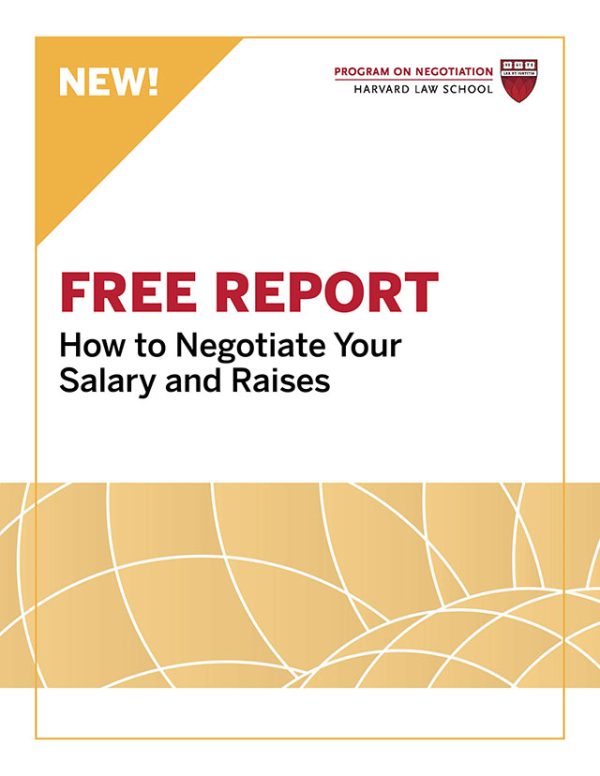
Claim your FREE copy: Salary Negotiations
Discover how to refine your negotiation skills with this free special report, Salary Negotiations: How to Negotiate Salary: Learn the Best Techniques to Help You Manage the Most Difficult Salary Negotiations and What You Need to Know When Asking for a Raise, from Harvard Law School.
Negotiations in a Minor Key
After nearly 11 months of negotiations, musicians represented by the Chicago Federation of Musicians Local 10-208 and management, the Chicago Symphony Orchestra Association (CSOA), still could not reach agreement on a new contract.
Two main disputes dominated negotiations:
1. Pension structure.
Facing rising financial pressures and reflecting broader employment trends, the CSOA sought to shift musicians from an employer-funded defined-benefit pension to a defined-contribution plan similar to a 401(k). Musicians resisted, arguing that defined-benefit pensions remained standard among elite orchestras.
2. Salary increases.
Musicians sought raises that would bring base pay—then about $160,000 annually—closer to compensation levels at peer orchestras. Management offered smaller increases, citing financial constraints.
On March 10, 2019, musicians went on strike, picketing outside Symphony Center on Chicago’s Michigan Avenue.
In a rare move for conductors, music director Riccardo Muti publicly supported the musicians, urging the board to provide the stability and respect needed for artistic excellence.
When Familiar Tactics Failed
Seven weeks of picketing, dueling press conferences, and mounting frustration followed, as reported by Howard Reich in the Chicago Tribune. OOrchestra Hall went dark, and the CSOA’s financial losses grew. Federal mediators attempted to help, but negotiations remained stuck.
Time pressure, however, was building:
- Muti was scheduled to return for the spring season on May 2.
- Mayor Rahm Emanuel was leaving office May 20.
- Both sides risked losing the remainder of the season and further public support.
Seeing an opportunity to help break the deadlock, Emanuel offered to step in as mediator—even though he had never personally mediated a labor dispute as mayor. Both parties agreed.
Call and Response: Mediation at City Hall
On April 26, negotiators met at City Hall under Emanuel’s mediation.
CSOA president Jeff Alexander later noted that Emanuel arrived well briefed on the dispute and comparable orchestra negotiations nationwide. Drawing on his long involvement in Chicago politics and his personal affinity for the arts, Emanuel established credibility with both sides.
He then separated the parties and conducted shuttle diplomacy, moving between rooms with proposals and refinements.
According to musicians’ negotiating chair Steve Lester, Emanuel fostered an atmosphere of mutual respect and seriousness. After hours of gradual concessions and adjustments, progress finally emerged.
After eight hours, the parties reached agreement on a five-year contract:
- Wages would rise 13.25% over five years—more than management initially offered, though less than musicians sought.
- Musicians would transition to a defined-contribution retirement plan starting in mid-2020.
- Additional employer payments during a transition period would help older musicians adjust.
Both sides praised the agreement and the mayor’s intervention. On May 2, the orchestra returned to Orchestra Hall under Muti’s baton, ending the longest strike in its history.
Negotiation Lessons from This Dispute Resolution Example
Several practical lessons emerge for negotiators facing impasse.
1. Make the Most of Time Pressure
According to “ripeness theory,” parties often reach agreement only when the cost of continued conflict becomes unsustainable.
In this case, looming performance cancellations, financial losses, and political timing increased motivation to settle. When deadlines approach, negotiators should look for ways to encourage flexibility rather than escalation.
2. Shake Up Stalled Negotiations
Repeating the same arguments in the same setting often produces the same results.
Moving negotiations to City Hall—and introducing a new mediator—helped both sides view the dispute differently. When talks stall, changing venue, participants, or format can refresh perspectives.
3. Consider an Influential Mediator
Professional mediators are usually ideal, but sometimes a respected public or industry figure can help parties move past entrenched positions.
An influential mediator should still be neutral, informed, and focused on resolution rather than publicity. Emanuel’s involvement helped signal urgency while preserving legitimacy with both sides.
Changing the Tune When Talks Stall
Negotiations often fail not because solutions are impossible but because parties become locked into familiar patterns.
The Chicago Symphony dispute reminds us that when talks stall, changing mediators, locations, or negotiation dynamics can help negotiators rediscover common ground.
Sometimes, finding agreement simply requires trying a new tune.
What lessons have you drawn recently from other dispute resolution examples? Share your thoughts in the comments.
Claim your FREE copy: Salary Negotiations
Discover how to refine your negotiation skills with this free special report, Salary Negotiations: How to Negotiate Salary: Learn the Best Techniques to Help You Manage the Most Difficult Salary Negotiations and What You Need to Know When Asking for a Raise, from Harvard Law School.