What Are Circular Deals?

Circular deals in which AI companies repeatedly invest in each other have become increasingly common—and could be cause for concern. … Read What Are Circular Deals? 
PON – Program on Negotiation at Harvard Law School - https://www.pon.harvard.edu
Dealmaking is defined as the art of crafting deals through negotiations focused on an integrative, or value-creating process, rather than through distributive bargaining, or a haggling process. Dealmaking includes the range of activities both at the bargaining table and away from it that seek to bring two or more parties together toward some common end, whether it is the sale of an asset, a vendor agreement, or a merger between corporations. The Program on Negotiation emphasizes integrative bargaining in its dealmaking literature and teaches methods and techniques from this school of thought in its executive education courses.
In corporate dealmaking, much of the action happens away from the negotiating table. Successful dealmakers understand that deal set-up and design greatly influence negotiation outcomes and successfully closing a deal. Other critical factors in successfully making deals include strategic behavior—the unwillingness of one or both sides to make a best offer—psychological factors, lack of a deadline, poorly-prepared formal documents, and refusal to allow the other side to make a graceful exit, even when they’ve agreed to your demands.
Strategies for successful dealmaking include tactics such as creating more value by exploring hidden interests and adding issues that appeal to your bargaining opponent. Another tactic is recruiting a third-party mediator when the dealmaking process is at an impasse. Sometimes, Harvard experts find, it pays to be the first person to make an offer, while at other times, it pays to wait.
Articles from the Program on Negotiation focus on a vast array of dealmaking strategies and explore the latest concepts such as expanding the pie, “negotiauctions,” anchors in negotiation, and bartering.
Circular deals in which AI companies repeatedly invest in each other have become increasingly common—and could be cause for concern. … Read What Are Circular Deals?
Most negotiations call for very different, even opposing, skills: collaboration and competition. To get a great deal, we typically must work with others to find new sources of value while also competing with them to claim as much of that value for ourselves. Before mastering the intricacies of value creation in negotiation, it helps to … Learn More About This Program
“ABC: Always Be Closing.” That’s the sales strategy that actor Alec Baldwin’s character Blake shared in the 1992 film Glengarry Glen Ross as he tried to motivate a group of real estate salesmen. In his verbally abusive, profanity-laced speech, Blake presented a ruthless model of closing a business deal that ignores customers’ needs and cuts … Read 7 Tips for Closing the Deal in Negotiations
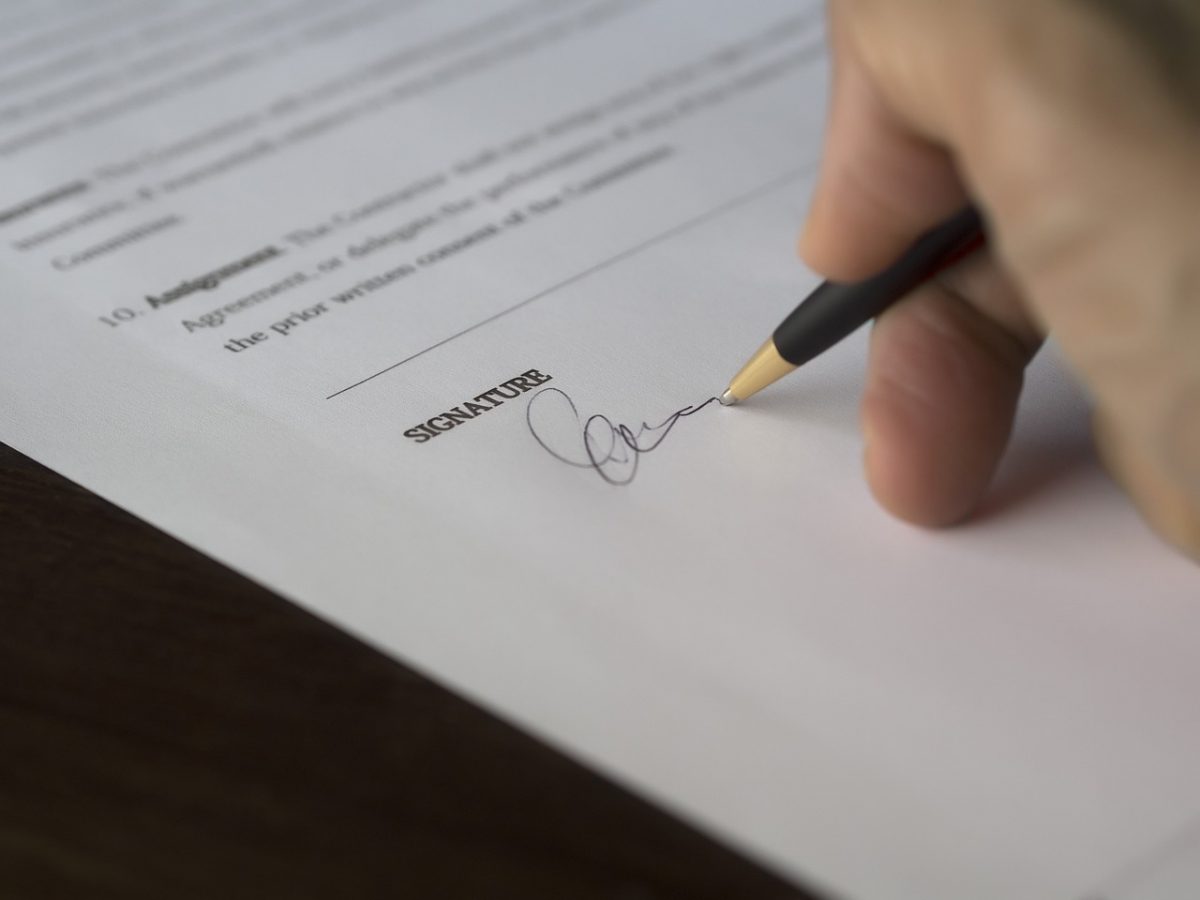
Some negotiations end with a negotiated agreement that is a plan of action rather than a signed contract – for example, a plumber agrees to fix the tile damage caused by his work. Other negotiations wouldn’t be appropriate to commemorate in writing, such as how you and your spouse decide to discipline your young … Read Writing the Negotiated Agreement
The clearest method for achieving exclusivity in negotiation is an exclusive negotiation period during which both sides agree not to talk to third parties, even if approached unexpectedly by others. In some arenas, these terms are called no-talk periods. … Learn More About This Program
More than 1,600 international relations experts from across the political spectrum overwhelmingly rate Henry Kissinger, who served under former presidents Richard Nixon and Gerald Ford, the most effective secretary of state of the last half-century. In their book, Kissinger the Negotiator: Lessons from Dealmaking at the Highest Level (Harper, 2018), James K. Sebenius, R. Nicholas … Read Dealmaking Secrets from Henry Kissinger
Back on July 11, 2000, we were offered an excellent case study on the anchoring effect when U.S. president Bill Clinton welcomed Israeli Prime Minister Ehud Barak and Palestinian Authority Chairman Yasser Arafat to a summit at Camp David aimed at resolving the Israeli-Palestinian conflict once and for all. The summit covered various contentious issues, … Read How Timing Can Influence the Anchoring Effect
On September 5, 2017, President Donald Trump announced that he would begin phasing out Deferred Action for Childhood Arrivals (DACA) in six months. The Obama-era policy had protected roughly 800,000 people who were brought to the United States illegally as children from deportation. In the wake of the announcement, members of Congress seeking permanent protections … Learn More About This Program
Displays of anger can pay off for negotiators, at least when it comes to claiming value in negotiation, research shows. Viewing angry negotiators as formidable opponents, we respond to their demands by making concessions, professor Gerben A. van Kleef of the University of Amsterdam and his colleagues found in research from 2004. … Learn More About This Program
In negotiation, some justifications are more persuasive than others, research suggests. And learning how to counter offer in the right way can make significant differences in outcomes. … Learn More About This Program

 BATNA
Business Negotiations
Conflict Resolution
Crisis Negotiations
Dealing with Difficult People
Dealmaking
Dispute Resolution
International Negotiation
Leadership Skills
Mediation
Negotiation Skills
Negotiation Training
Salary Negotiations
Teaching Negotiation
Win-Win Negotiations
BATNA
Business Negotiations
Conflict Resolution
Crisis Negotiations
Dealing with Difficult People
Dealmaking
Dispute Resolution
International Negotiation
Leadership Skills
Mediation
Negotiation Skills
Negotiation Training
Salary Negotiations
Teaching Negotiation
Win-Win Negotiations
Lost your password? Create a new password of your choice.
Copyright © 2026 Negotiation Daily. All rights reserved.