

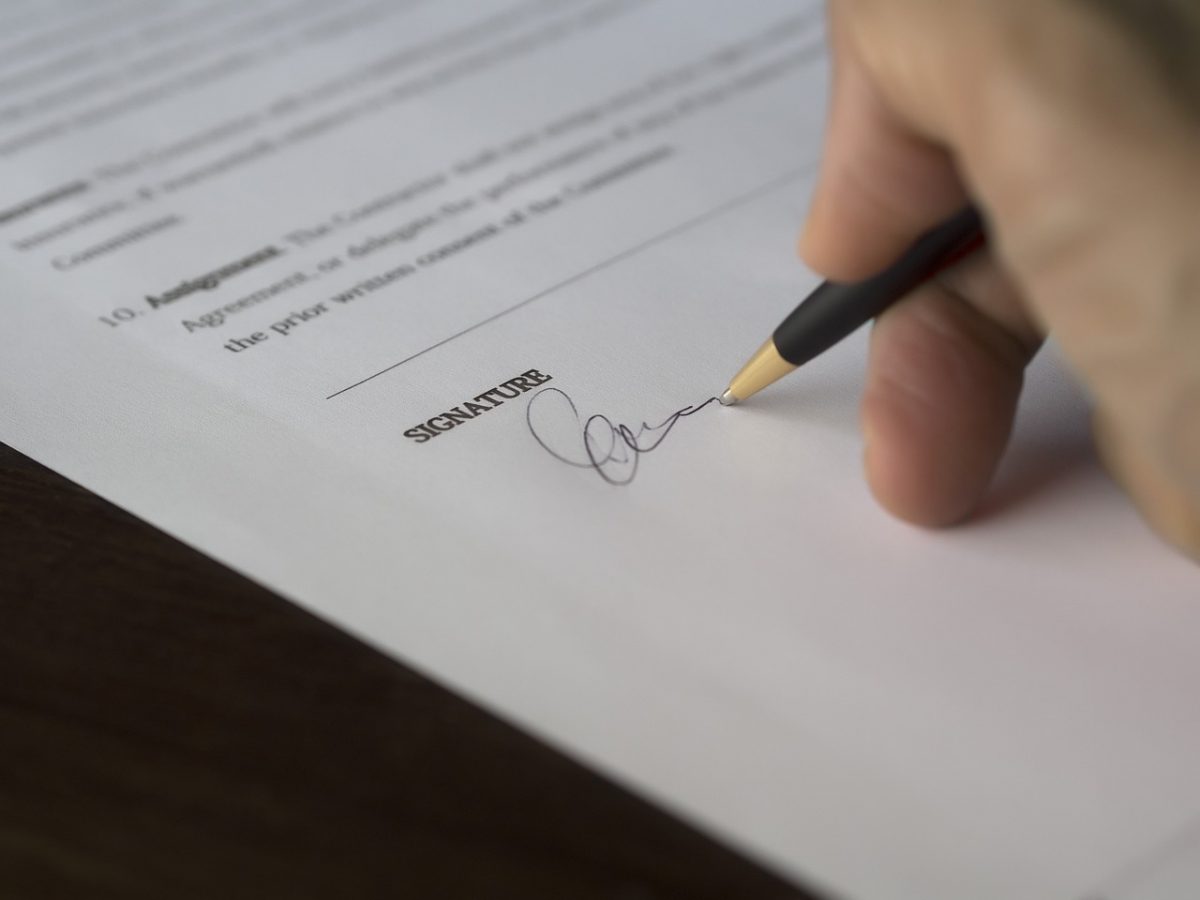
“ABC: Always Be Closing.” That’s the infamous sales mantra delivered by Alec Baldwin’s character Blake in the 1992 film Glengarry Glen Ross, as he tries to whip a weary group of real estate salesmen into submission. In his blistering, profanity-laced lecture, Blake champions a ruthless vision of closing the deal—one that dismisses customers’ needs and edges perilously close to ethical misconduct.
As described by Baldwin’s character, “always be closing” is emphatically not a negotiation strategy to emulate. Yet in sales—and in many other professional contexts—the challenge of how to close a negotiation remains very real.
Claim your FREE copy: Dealmaking
Discover how to boost your power at the bargaining table in this FREE special report, Dealmaking: Secrets of Successful Dealmaking in Business Negotiations, from Harvard Law School.
Why Is Closing a Deal So Hard?
Some common barriers to closing the deal include:
- Talks that drag on for months—or even years—with no clear end in sight
- An unwillingness by one or both parties to put forward their best offer
- Competitive pressure that makes your counterpart hesitant to commit
Closing the deal doesn’t require theatrics or intimidation. Instead, the following seven negotiation strategies can help you overcome common roadblocks and move discussions toward a thoughtful, ethical conclusion.
Seven Negotiation Strategies for Closing the Deal
1. Negotiate the process.
Negotiators often struggle to close deals because they never agreed on how the negotiation itself would unfold. According to Harvard Law School professor Robert C. Bordone, failing to negotiate the process upfront leads to confusion, false assumptions, and inefficiency.
Before diving into substantive issues, clarify the basics:
- Who will participate—and in what roles?
- What issues will be discussed, and in what order?
- How will meetings be facilitated and decisions made?
Mapping out the process early can dramatically improve momentum later.
2. Set benchmarks and deadlines.
When designing the process, build in short-term benchmarks along with a realistic—but ambitious—final deadline. Just as important, discuss what happens if deadlines are missed. Will the timeline be revised? Will the strategy change?
Deadlines often make negotiators uneasy, but research by University of California, Berkeley professor Don A. Moore shows that deadlines tend to motivate both sides equally. Rather than forcing reckless concessions, they can prompt creativity and movement when talks stall.
3. Try a shut-down move.
If you suspect that competition is slowing progress, consider proposing a limited exclusive negotiating period. Harvard Business School and Harvard Law School professor Guhan Subramanian refers to this as a “shut-down move” because it temporarily removes rivals from the picture.
To make this appealing, emphasize your non-monetary advantages—such as access to influential networks, reputational benefits, or specialized expertise—that competitors cannot easily match. networks or a stellar PR team.
4. Take a break.
Counterintuitive as it sounds, stepping away from the table can speed things up. Adjourning talks until the next day—or even longer—allows everyone to decompress, reflect, and reassess priorities.
Breaks also give your team time to regroup internally and evaluate whether closing the deal truly makes sense or whether warning signs are emerging.
5. Bring in a trusted third party.
When parties hesitate to share their real bottom lines, a neutral third party can help. In private discussions, each side can disclose its true limits. The intermediary can then determine whether a zone of possible agreement (ZOPA) exists.
If there is no overlap, walking away may be the wisest move. If there is overlap, identifying a deal often becomes much easier—with or without the third party’s continued involvement.
6. Change the line-up.
If talks feel stuck, consider changing the people at the table. New negotiators—on one side or both—can bring fresh perspectives and fewer emotional attachments.
This approach is especially useful when personality clashes or past grievances are quietly undermining progress.
7. Set up a contingent contract.
When disagreements hinge on differing expectations about the future, a contingent contract can help parties “agree to disagree.” These arrangements tie outcomes to future performance.
For example, if you believe a contractor can finish a project on time but your counterpart is skeptical, propose a bonus for early or on-time completion—or a penalty for delays. If each side truly believes in its forecast, contingencies feel fair rather than threatening.
Knowing When Not to Close
Closing a business deal is a nuanced process—and it isn’t always the right outcome. Sometimes the most successful negotiation is recognizing when to walk away.
By approaching closure thoughtfully, you’ll be better equipped to recognize when a deal is within reach—and when your energy is better spent elsewhere.
Have any of these tips helped you close a deal? Share your story in the comments.
Claim your FREE copy: Dealmaking
Discover how to boost your power at the bargaining table in this FREE special report, Dealmaking: Secrets of Successful Dealmaking in Business Negotiations, from Harvard Law School.




Thank you for the valuable tips on closing deals effectively. The strategies offered, from negotiating the process to utilizing shutdown moves and setting clear benchmarks, provide a structured approach to overcome negotiation challenges. I look forward to applying these insights in my future negotiations.
By scheduling deadlines, business parties can rest assured that the outcome (of the negotiation) will have some amount of verifiable value, no matter what. However, circumstances still matter. If both parties can agree to a mutually beneficial timed process from the beginning of the procedure, then the pressures of timing and logistics should be removed from the discussion, and parties should at least be able to close the event assured of completion.
Setting milestones and deadlines definitely helps keeping the discussions on track. I recently tried another strategy: we made business during a certain time under their BATNA so they could realize that our offer was fair. This helped closing a negotiation that had lasted two years. I also like to take a break, “go out to the balcony” and re-focus on interests rather than positions
Great reminders of techniques to help shut down a business negotiation which often take on a life of their own. In particular, I have found that agreeing to a schedule to “close out” the negotiation toward the end of the deal is very helpful. While it is critical that the schedule have buy-in from both parties (in my experience, it should be crafted and agreed upon together), this approach drives accountability as it is reported up through stakeholders on both sides.