

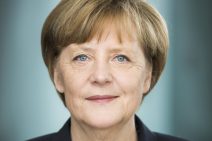
How Relationships Between Famous Negotiators Like Merkel and Putin Shape Diplomatic Negotiations
In high-stakes diplomacy, outcomes are often shaped not just by national interests, but by the personal relationships between leaders. Diplomatic negotiations frequently hinge on trust, communication style, and psychological insight as much as on military or economic leverage.
One widely discussed example is the long and complicated negotiating relationship between former German chancellor Angela Merkel and Russian president Vladimir Putin. Their interactions during negotiations surrounding Ukraine demonstrated how personal dynamics between leaders can influence diplomatic outcomes.
At a January press conference back in 2015, Merkel dangled a carrot in front of Putin: the possibility of a summit in Kazakhstan aimed at easing the Ukraine crisis, to be attended by the two leaders as well as the presidents of France and Ukraine.
Claim your FREE copy: International Negotiations
Claim your copy of International Negotiations: Cross-Cultural Communication Skills for International Business Executives from the Program on Negotiation at Harvard Law School.
Carrot-and-Stick Diplomacy Between Famous Negotiators
That carrot, however, came with a significant string attached. For the meetings to occur, Merkel insisted Russia first show “visible progress” on implementing the Minsk agreements, which aimed to stabilize fighting in eastern Ukraine.
While cease-fire efforts periodically reduced violence, implementation stalled, sanctions remained in place, and diplomatic talks repeatedly faltered in the years that followed. Negotiations over Ukraine and European security have since evolved dramatically, particularly following Russia’s full-scale invasion of Ukraine in 2022, which reshaped diplomatic efforts, alliances, and sanctions regimes across Europe.
Still, the earlier Merkel-Putin negotiations offer enduring lessons about diplomacy: Why would Putin listen to Merkel, aside from wanting sanctions relief for Russia’s economy?
One answer lies in the nature of their negotiating relationship.
Merkel was not only one of Putin’s most consistent negotiating partners in Europe but also a central figure in coordinating European Union sanctions. Dialogue with Berlin was therefore unavoidable for Moscow.
Journalist George Packer, writing in The New Yorker, outlined the complex personal and political relationship the two leaders forged. Merkel grew up in East Germany, while Putin served as a KGB officer in Dresden when the Berlin Wall fell in 1989. Both speak each other’s languages and frequently switched between German and Russian in meetings and calls—an unusual diplomatic advantage.
Merkel, trained as a scientist, became known for a negotiation style rooted in careful analysis: drawing comparisons, running scenarios, weighing risks, and anticipating reactions before acting. Even after deciding, she often paused to reassess.
That patience proved useful in dealings with Putin.
During 2007 energy negotiations at Putin’s residence in Sochi, Putin allowed his dog to approach Merkel, who had long feared dogs after being bitten. As Merkel visibly froze, Putin reportedly watched without intervening, a move many observers interpreted as a dominance display.
Merkel later reframed the incident publicly, turning the episode into insight rather than grievance. By doing so, she both neutralized the moment and revealed how carefully she studied her counterpart’s behavior and motivations.
This ability to analyze personal dynamics—while continuing dialogue even amid tensions—made Merkel one of the few Western leaders who maintained sustained communication with Putin through multiple crises.
Why Personal Relationships Matter in Diplomatic Negotiations
Diplomatic negotiations rarely occur between strangers. Leaders interact repeatedly, often over years, and personal impressions accumulate.
Relationships matter because they:
- Enable direct communication during crises,
- Allow negotiators to read each other’s motivations and limits,
- Create opportunities for face-saving compromises, and
- Help maintain dialogue when public rhetoric hardens.
Even during periods of deep geopolitical tension, Merkel worked to keep channels open, attempting to help Putin find ways to de-escalate conflicts without total humiliation—an important factor in negotiations involving national prestige.
Former U.S. president Barack Obama once remarked that Putin appeared to be living “in another world.” Merkel, by contrast, often focused on bringing negotiations back to practical realities, balancing pressure with continued engagement.
Lessons for Negotiators Beyond Diplomacy
The Merkel-Putin relationship illustrates lessons relevant far beyond global politics:
- Know your counterpart personally and psychologically
- Separate personal insight from emotional reaction
- Use pressure and incentives together
- Maintain dialogue even during conflict
- Create off-ramps that allow agreement without humiliation
Whether in diplomacy, business, or labor negotiations, relationships frequently determine whether talks collapse or continue.
The broader question remains relevant today: How much do personal relationships between leaders shape global outcomes?
What is your impression of how relationships between famous negotiators influence the future of diplomatic negotiations?
Related Article: Managing Difficult Negotiators – What tactics should negotiators use when bargaining with a difficult counterpart, whether in business negotiations or in diplomacy? In this article, negotiation tactics and bargaining strategies for grappling with a difficult counterpart at the negotiation table.
Claim your FREE copy: International Negotiations
Claim your copy of International Negotiations: Cross-Cultural Communication Skills for International Business Executives from the Program on Negotiation at Harvard Law School.
Originally published 2015.


We treat this subject in Global Negotiations II during our MBA program. In the pictures we can appreciate how personal attitudes and expression frame a discussion of capital importance for the EU, Russia and Ukraine. Below the link to our final videowork.
https://drive.google.com/open?id=0B7EIX0sBB9oQMHRRMF9HbW1jZHc
Thank you for such a brilliant and insightful article! We need to have more world leaders like Ms. Merkel 🙂